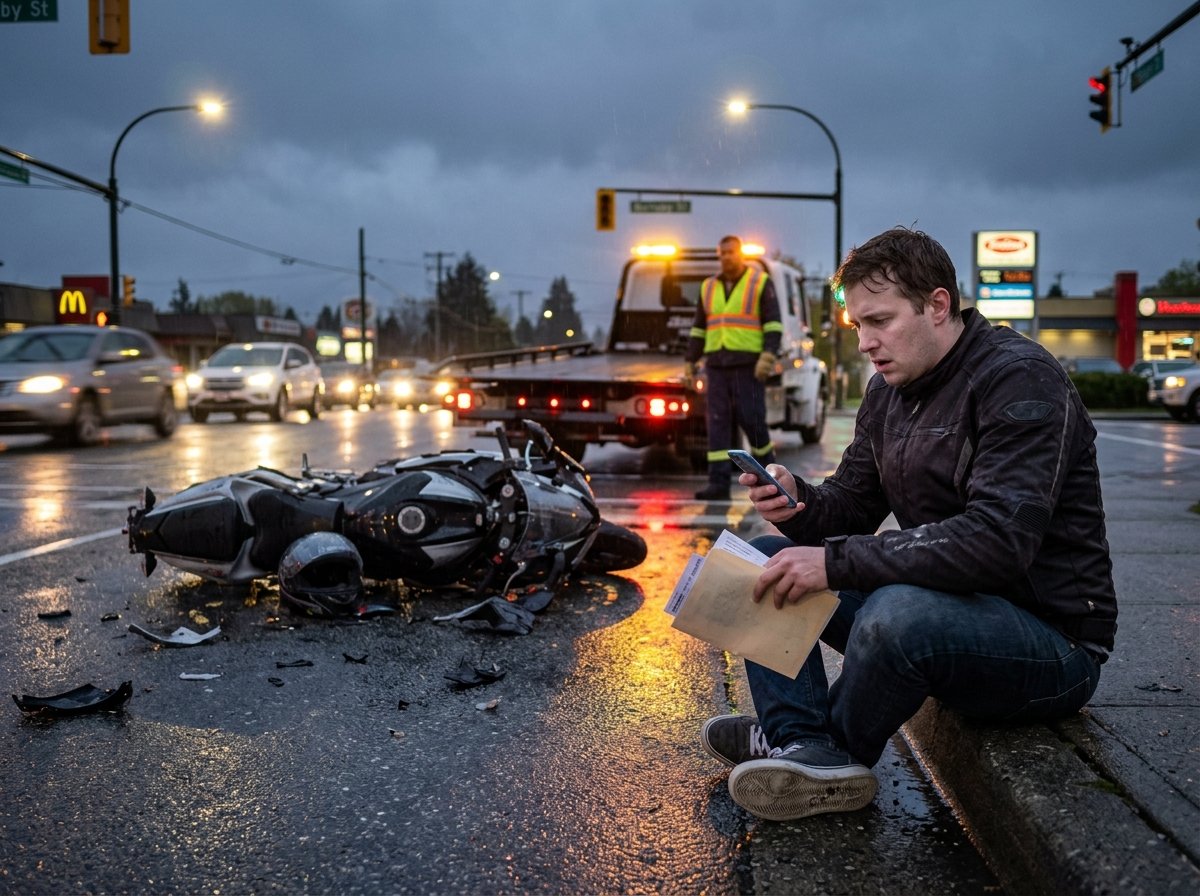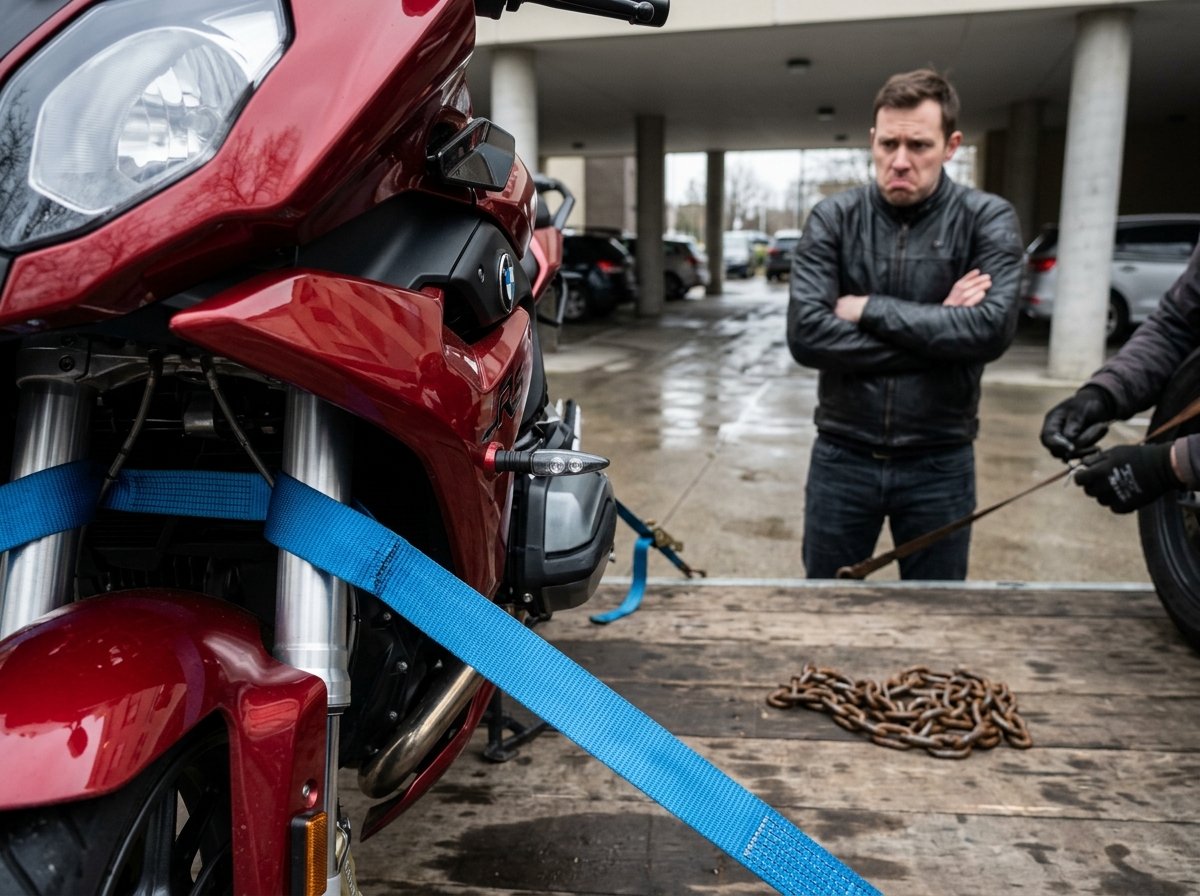
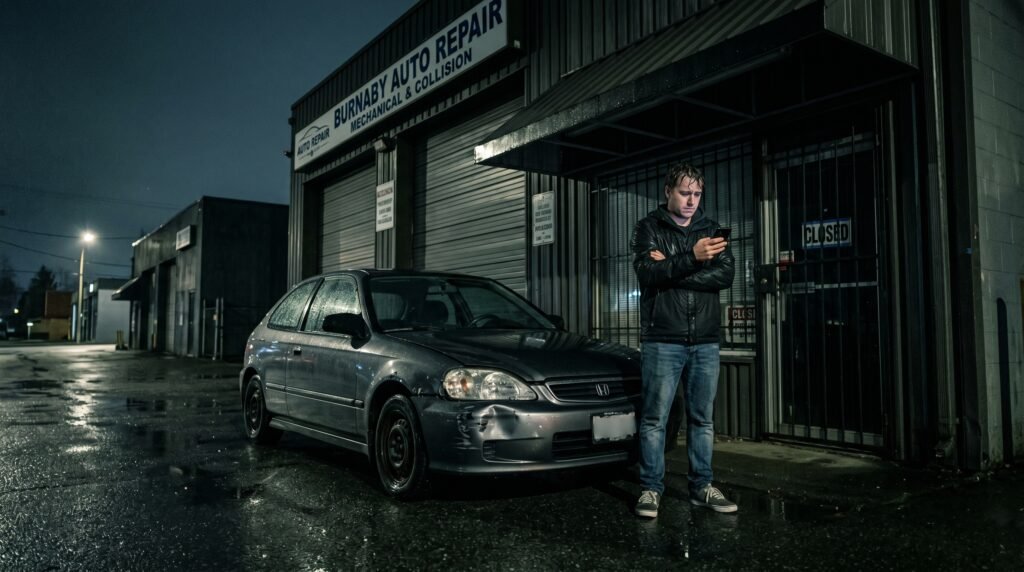
After a crash, the safest tow spot is the one your insurer, repair shop, or situation can accept today.
If you are asking where do i tow my car after accident in Burnaby, start with safety, not guesswork. Move only if it is safe, take photos, and choose a drop-off that can receive the car. For a small crash or disabled sedan, light duty towing may fit the job. Towstar Towing can help move the car to a shop, home, yard, or approved lot after you decide.
Quick overview
- The car may not be safe to drive after the hit.
- The body shop may be closed or full today.
- You may not know if ICBC wants photos or receipts first.
- You may feel rushed by traffic, police, or a parking lot owner.
In this guide
- Ask what truck type will be sent before hookup.
- Ask for a clear receipt with pickup and drop-off details.
Simple version: get safe first, then choose the tow destination.
- Take photos before the car moves if it is safe.
- Call the shop or yard before sending the vehicle there.
- Ask if the tow can go to your home if no shop accepts it.
- Keep the invoice, driver details, and drop-off address.
TLDR: Pick The Drop-Off Before The Hook
- Best first choice: a repair shop that confirms it can receive the car today.
- Backup choice: your driveway, building lot, or a safe storage yard.
- Bad choice: sending the car somewhere that is closed, full, or not expecting it.
What Does Where Do I Tow My Car After Accident Mean?
It means you need a safe end point before the tow truck moves your vehicle. That end point may be a body shop, dealership, home, storage lot, or insurer-approved place. If the car has wheel, bumper, or suspension damage, ask whether flatbed towing is safer than pulling it on two wheels.
Context (what matters in this situation):
- A repair shop is best when it has space and can open a file.
- A driveway can work if the car can sit there legally.
- A storage yard can help when the car cannot be left on the street.
- A dealership may help if the car is under warranty or is a newer model.
What Usually Happens After A Burnaby Crash
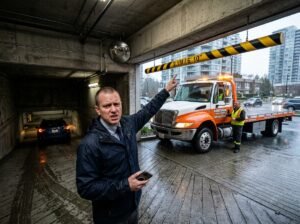
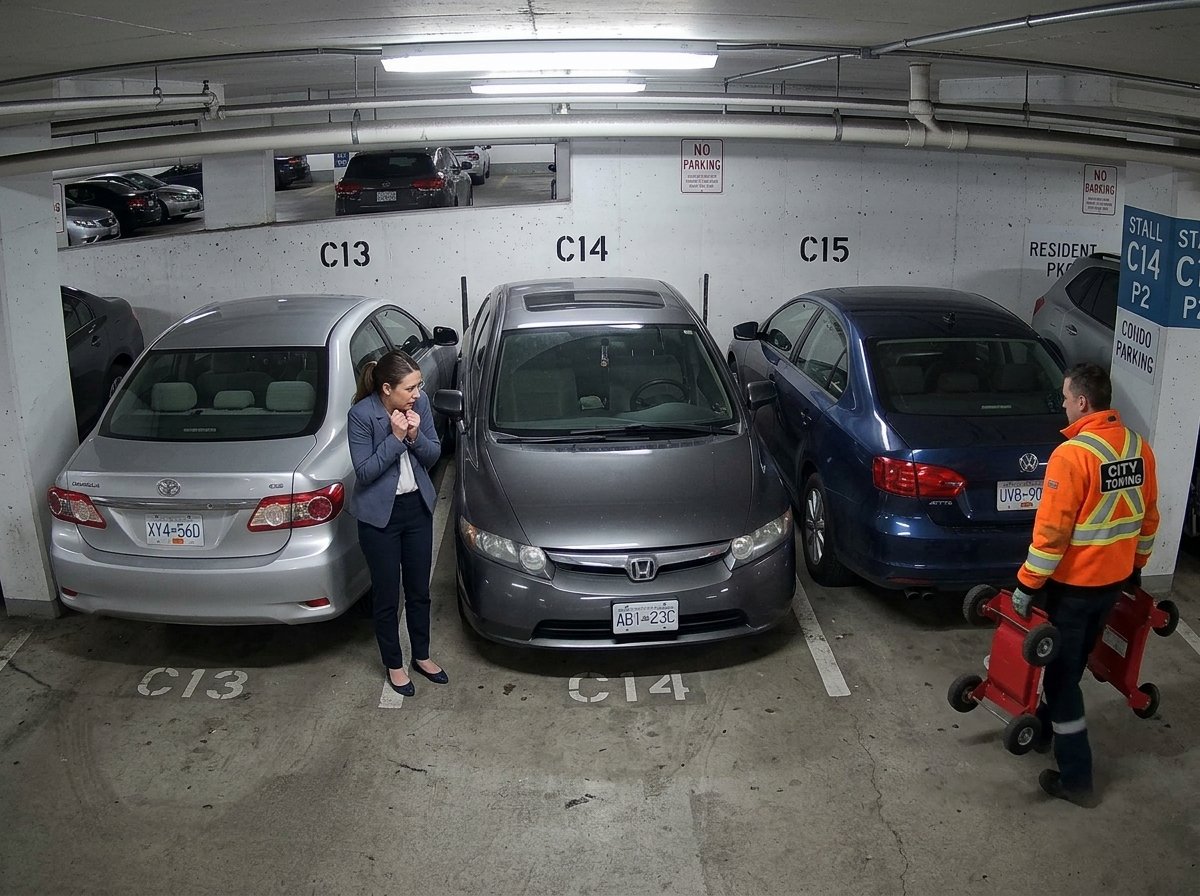
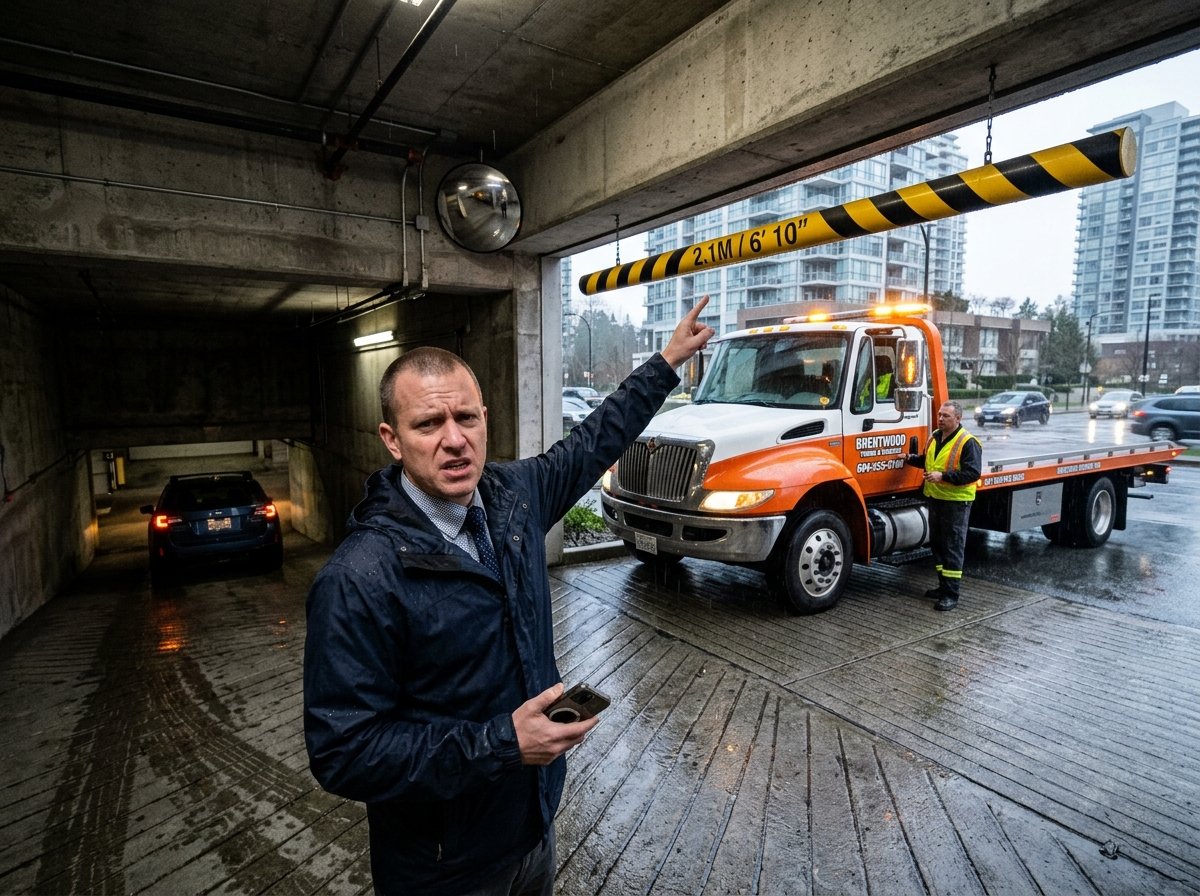
After a crash, the first goal is to get people and traffic out of danger. The second goal is to avoid a second problem, like towing to a closed shop or tight parkade. If the car is stuck below grade, ask about underground towing before a standard truck is sent.
What this usually looks like (real-world flow):
- You check for injuries and call emergency help if needed.
- You move to a safer spot only if it is safe and legal.
- You take photos of damage, plates, road signs, and the scene.
- You call the repair shop, insurer, or family member before choosing the drop-off.
- You book the tow once the destination is clear.
Details to confirm (so you get the right help fast):
- Give the dispatcher the car make, model, and visible damage.
- Say if the wheels roll, the steering works, or fluid is leaking.
- Share landmarks, parking level, gate code, or nearest cross street.
What you should get as the outcome:
- The right truck is easier to send.
- The driver knows where to place the vehicle.
- You avoid paying for a second tow because the first drop-off failed.
Book for a Tow Truck in Under 60 seconds.
Tap to call now, or request a quote and we’ll confirm the right truck for your situation.
Or call (236) 245-1552 • 24/7 Dispatch
Membership Limits And Hidden Costs To Ask About
A roadside membership may help, but it may not choose the best accident destination for you. It may also have distance, truck type, or destination limits. Before you book, read more about where accident cars go so the tow does not end at the wrong place.
Limits / constraints (what can slow things down):
- Some plans cap tow distance.
- Some plans do not cover special equipment.
- Some plans need the member to be with the vehicle.
- Some plans may not cover storage or a second tow.
Hidden costs to watch for:
- Extra distance after the included range.
- Winch work if the car cannot roll or steer.
- Storage fees if the vehicle is left at a yard.
- After-hours drop-off or gate access problems.
What To Do Now Before The Tow Truck Hooks Up
Call the place you want to tow to and ask if they can receive the car now. If you are near Metrotown or a busy lot, this guide on body shop, ICBC lot, or driveway can help you think through the choice.
- Tell the dispatcher the exact drop-off name and address.
- Ask the shop where the driver should leave the keys and vehicle.
Our Recommendations For Local Tows And long distance hauling
Do not drive the car if the wheel, steering, lights, or fluids look wrong.
Call the body shop before the tow starts.
Send the car home only if it can be parked there safely and legally.
Ask for a flatbed if the car sits low or has wheel damage.
Keep all photos, claim notes, and tow receipts together.
Confirm who pays storage before leaving the car at a yard.
Safety Steps Before You Choose The Tow Destination
Your first job is to stay out of traffic and away from broken glass, leaking fluid, or moving vehicles. If the damaged vehicle is larger than a normal car, ask if heavy duty towing is needed before anyone tries to move it.
Do this in order:
- Step 1: Check for injuries and call 911 if anyone may be hurt.
- Step 2: Turn on hazard lights if you can do it safely.
- Step 3: Take photos only from a safe spot.
- Step 4: Stay off the road shoulder when traffic is close.
- Step 5: Wait in a safe building or behind a barrier when possible.
Scenario 1: No Body Shop Can Take The Car Today
This happens after storms, busy commute crashes, or late-night accidents. Ask if the car can go to your driveway, a safe yard, or a shop for next-day intake. If it is an EV, ask about Tesla towing needs before the vehicle is loaded.
What to do:
- Call two shops before choosing storage.
- Ask if keys can be left in a drop box.
- Confirm storage rules before the car is parked there.
Scenario 2: The Crash Is Blocking A Lane Or Busy Entrance
Do not stand in the lane to argue about the drop-off. Get people safe first, then give the driver a clear destination. If the damaged vehicle is a pickup or work vehicle, ask about truck towing so the right equipment is sent.
What to do:
- Share the nearest cross street and direction of travel.
- Tell dispatch if police or fire crews are on scene.
- Ask for text updates if phone calls are hard to answer.
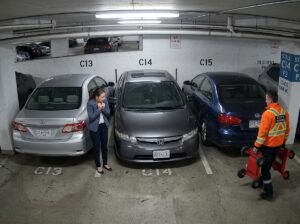
Scenario 3: The Car Is In A Lot, Driveway, Or Tight Space
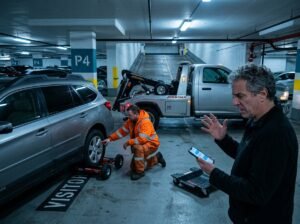
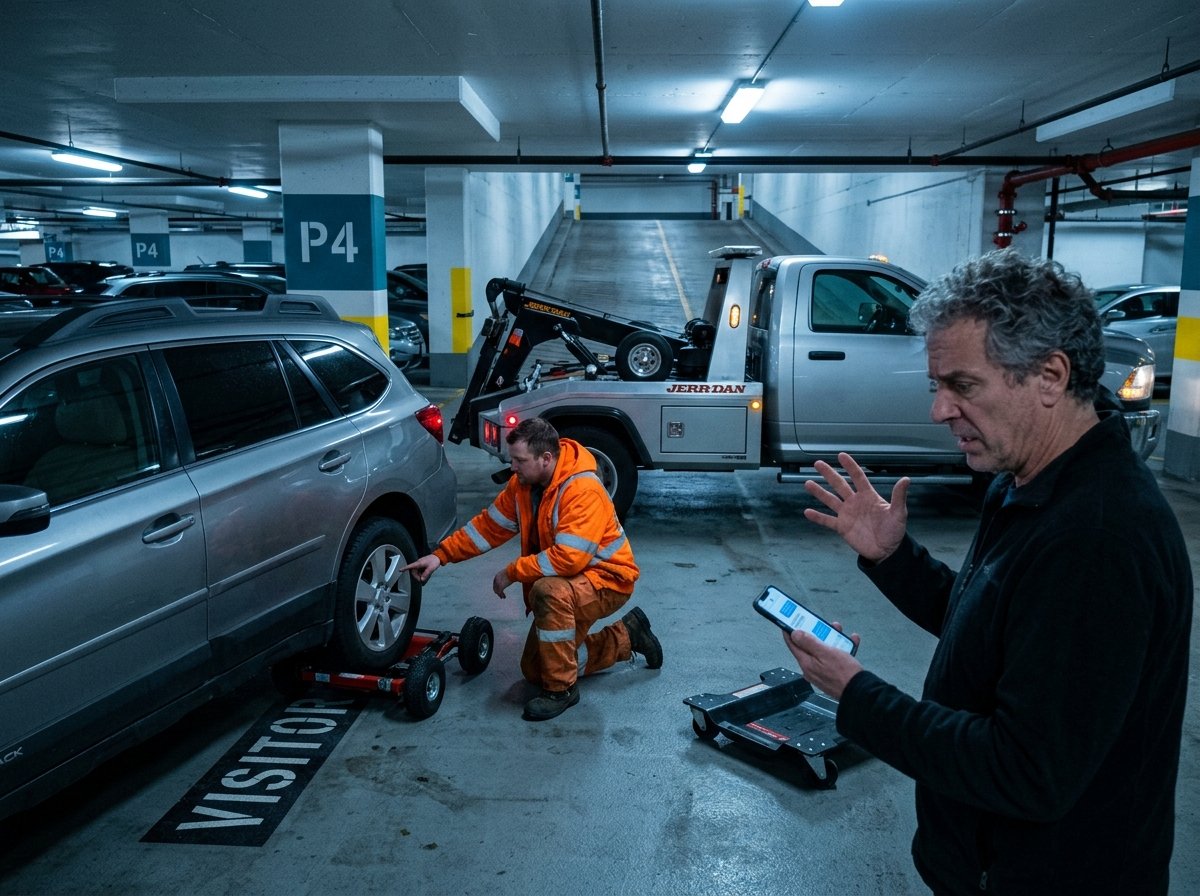
A car can be damaged and still trapped by curbs, other parked cars, or a steep driveway. Tell dispatch if the wheels are locked, turned, or blocked. In tight spaces, dolly towing may help move the car without dragging it.
What to do:
- Send photos of the space around the car.
- Move loose items away from the vehicle.
- Ask the property manager where the car can be loaded.
Step-by-step: what to do next
Step 1: Pick A Safe Drop-Off
Choose a place that can receive the car today. If no shop accepts it, read the Lougheed accident tow guide and ask about home, yard, or next-day shop options before the truck leaves.
Step 2: Share Your Location Clearly
Send the nearest cross street, lot name, parking level, stall number, and a photo if the vehicle is hard to find. Say if the car rolls, steers, starts, or leaks fluid. Clear details help the driver bring the right tools.
Step 3: Choose The Right Truck Type
Truck type matters after an accident because damaged wheels, low bumpers, and locked steering can change the job. If the vehicle is pulling cargo or has a hitch load, ask whether trailer towing is part of the move.
Get Low Rates On Your Next Roadside Service.
Tap to call now, or request a quote and we’ll confirm the right truck for your situation.
Or call (236) 245-1552 • 24/7 Dispatch
ICBC claim report page
This resource helps because it explains how to report a claim after a crash. Use it after everyone is safe and you have photos, plate details, and the tow receipt. It can also help you see what details may be needed, so you do not guess after a stressful tow. Read the ICBC claim report page before you choose the final drop-off spot.
FAQ: Where To Tow A Car After An Accident In Burnaby
Can I tow my accident car to my house?
Yes, if it can be parked there safely and legally. Call your insurer or shop soon after, because you may still need a damage estimate. Do not leave it where it blocks a lane, sidewalk, hydrant, or building access.
Should I tow the car to a body shop first?
A body shop is often the easiest choice if it can take the car today. If the vehicle is larger or used for travel, RV towing rules may be different, so explain the size and damage before booking.
What if I do not know which shop to use?
Ask if the tow can go to your home, a safe yard, or another legal place while you decide. Do not send the car to a closed shop unless the shop says after-hours drop-off is allowed. Keep the receipt and all photos.
Can I choose a dealership instead of a body shop?
Yes, you can choose a dealership if it can receive the car and work on the damage. This can matter for newer vehicles or special vehicles. If the vehicle is a large camper, ask about motorhome towing before booking.
Do I need ICBC approval before towing?
In many cases, you need to get the car out of danger first. Still, keep the tow bill, photos, and drop-off details for your claim file. When unsure, call ICBC or your insurer before choosing a non-urgent second tow.
What details should I give the tow dispatcher?
Give the exact pickup spot, drop-off address, vehicle type, damage, and whether the wheels roll. Mention leaking fluids, locked steering, low clearance, or underground parking. Better details help avoid the wrong truck.
Need a quote before booking?
At Towstar, we’re a locally operated towing company with over 10+ years of experience serving Burnaby and the Lower Mainland. Drivers rely on us for emergency towing and roadside assistance because we show up, communicate clearly, and don’t surprise you with hidden fees.
Get a quote before booking and see why so many local drivers leave us 5-star reviews.
Get Directions to Autostar Towing and Recovery
Open Google Maps to see the best route, ETA, and turn-by-turn directions to our location.